
Cart
Currently Empty: INR 0.00
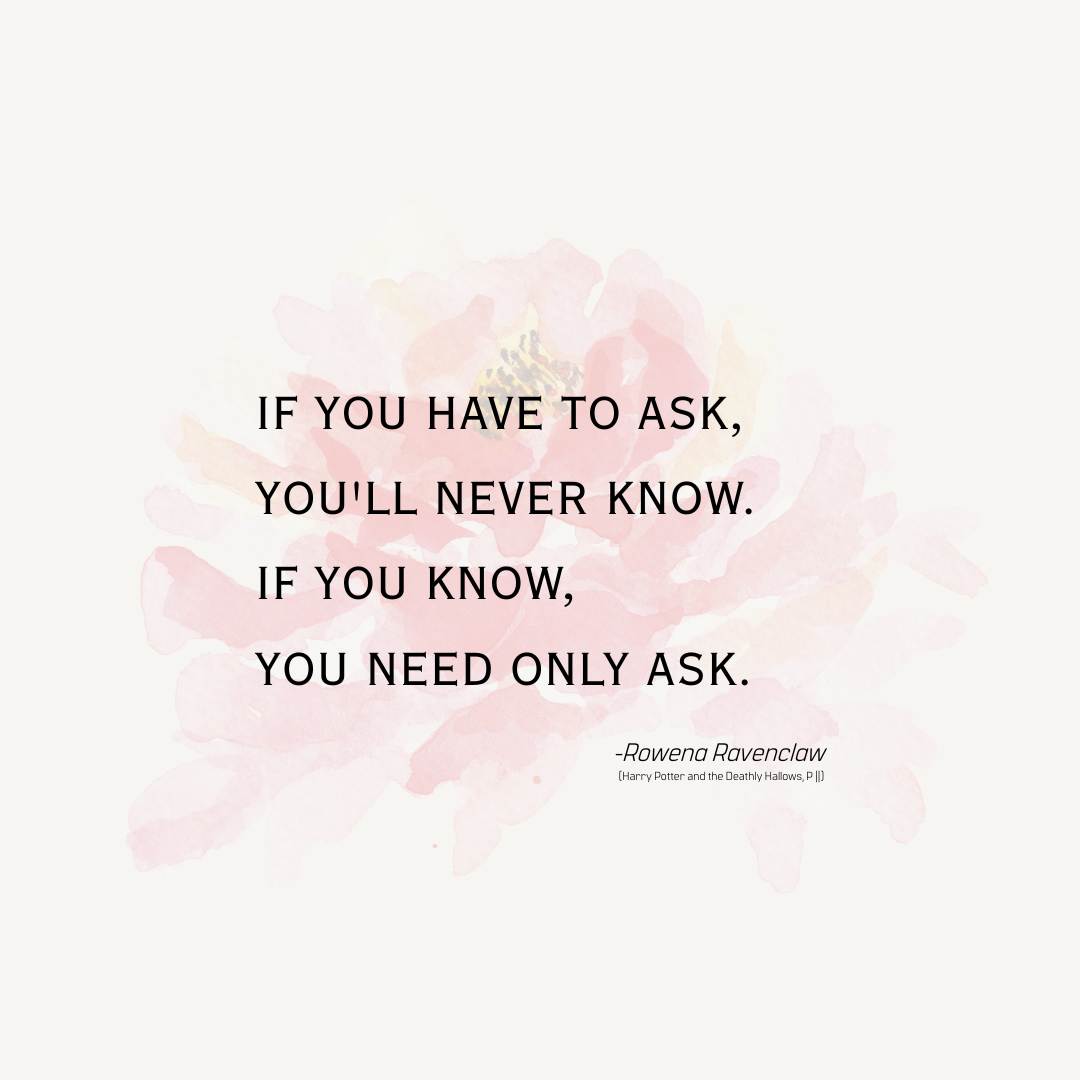
At first, this sounds like a riddle — maybe even a contradiction. But in the world of plant medicine, it points to something very simple: there are two kinds of knowing.
One comes from the mind. It gathers information, compares, evaluates, and seeks certainty. It asks because it does not yet trust its own perception. This kind of knowing is useful, but it is not the doorway.
The other knowing lives in the body.
It is the quiet recognition that happens before explanation — the subtle shift in breath when a scent reaches you, the softening in the nervous system when a plant is right, the sense of “yes” that doesn’t arrive as language. This knowing does not argue for itself. It does not need proof. It is relational, immediate, and felt.
When we say, “If you have to ask, you’ll never know,” it speaks to the limits of approaching life only through analysis. Some things cannot be accessed by effort. The more we push, the further they move away.
But the second line changes everything.
“If you know, you need only ask.”
Once the body remembers how to listen, asking is no longer seeking — it becomes an invitation. A gesture of relationship. A way of saying, I am here, I am attentive, I am willing to receive.
Plants respond to this kind of asking. Not because they are mysterious or withholding, but because relationship requires participation. When the nervous system is settled and the senses are open, the dialogue is already underway.
This is the ground from which our work at Mycelium grows.
Less force. More attention.
Less accumulation of answers. More trust in what is already known.
The knowing was never absent.
It was only waiting for quiet.
“”If you have to ask, you’ll never know. If you know, you need only ask. It’s here, in the castle, in the place where everything is hidden.””
Helena Ravenclaw


